


Everest Base Camp Trek
Starting from
US$3599 P/P
The Everest Base Camp with Gokyo Lake Trek is one of those rare journeys that asks a great deal of you - and gives back even more. This isn't just a walk to Base Camp. It's a full immersion into the heart of the Khumbu, weaving together two of Nepal's most spectacular destinations into one unforgettable journey through ancient Sherpa villages, sweeping glacial moraines, and the jewel-green silence of the sacred Gokyo Lakes.
What makes this combined route so special is how much it rewards patience. Most trekkers who've done it will tell you the same thing - it changes the way you see the mountains.
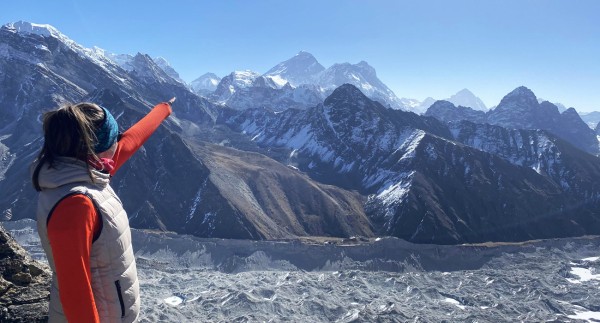
The trail begins in Lukla and climbs steadily through the buzzing streets of Namche Bazaar before splitting into two worlds. Head west and the Gokyo Lake Trek corridor opens up - a quiet, stunning valley of glacially-fed lakes perched above 4,700 m. Climb Gokyo Ri (5,357 m) at dawn and you'll be rewarded with one of the Himalayas' greatest panoramas: Everest, Lhotse, Cho Oyu, and Makalu all at once, with no crowds and no noise - just mountains.
From there, the route crosses the legendary Cho La Pass (5,420 m) - a genuinely thrilling high-altitude traverse - before dropping down to the Khumbu Glacier and pushing on to Everest Base Camp (5,364 m). Standing there, surrounded by the gear and ambition of real expedition teams, is a feeling that's hard to put into words.
Be honest with yourself before booking: this is a strenuous, high-altitude expedition. You'll need solid fitness, prior multi-day trekking experience, and genuine respect for altitude. Sickness can affect anyone above 3,500 m, which is why rest days at Namche Bazaar and Dingboche are built into every good itinerary. Plan for 15 to 18 days on the trail, and time your trip for March to May or September to November for the best conditions.
If comfort matters to you on the road, Everest Base Camp Luxury Trek packages are worth every penny - think warm, well-appointed teahouses, attentive Sherpa guides, and proper meals at altitude. It's the same incredible journey, just with a softer landing each evening.
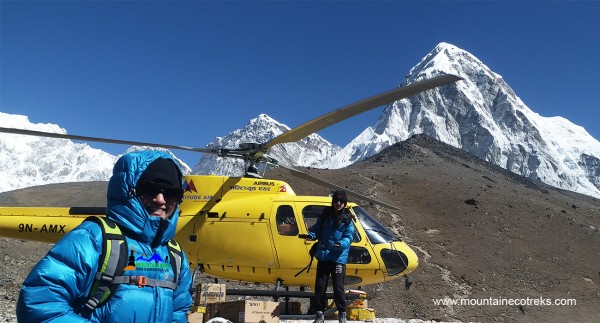
Short on time after Base Camp? The Everest Base Camp Trek with Helicopter Return is a genuinely brilliant option. The flight back over the Khumbu Icefall and Himalayan ridgelines is an experience in itself - and it saves your knees a few hard days of descent.
Before you set off, make sure you have your Sagarmatha National Park Entry Permit and Khumbu Pasang Lhamu Rural Municipality Permit sorted - the team at Mountain Eco Treks can handle all permit arrangements so you can focus entirely on the adventure ahead.
This route delivers perspective as much as it delivers altitude. From prayer-flag-draped Buddhist monasteries to the wind-scoured silence of the high passes, every day on this trail feels earned. If you're ready for the Himalayas at their most complete, there's no better place to start than here - on the route that defines Nepal trekking at its absolute finest.
Note: Mountain Eco Treks offers this trekking itinerary in three service categories—Standard, and Budget—allowing you to choose the level of comfort that best matches your travel preferences. For a complete breakdown of what each package includes, please visit the Cost Includes and Excludes section
Land in Kathmandu, Nepal's vibrant capital sitting at 1,400 m above sea level. This is your preparation day - meet your guide, sort your gear, collect , and get a full trek briefing. If you arrive with energy to spare, the ancient temples of Boudhanath and Swayambhunath are worth an evening stroll.
Flights to Lukla depend on the season. During peak trekking seasons - October, November, March, and April - flights operate via Manthali Airport (Ramechhap) with an early 4–5 hour drive from Kathmandu before the 12–15 minute mountain flight. In other months, flights depart directly from Kathmandu. From Lukla (2,860 m), the trail drops gently through pine forest and riverside paths to the teahouse village of Phakding (2,610 m).
This is the day the Everest Base Camp Gokyo Trek gets serious. From Phakding, the trail follows the roaring Dudh Koshi River, crossing a series of iconic high suspension bridges - including the legendary Hillary Suspension Bridge - before the steep, lung-burning final climb into Namche Bazaar (3,440 m), the beating heart of the Khumbu and the highest Sherpa trading town in the world. On a clear day, catch your first proper glimpse of Mount Everest through the valley. Hard work, but the arrival is electric.
Never skip this day. Your body needs time to adjust to the altitude before pushing any higher - and skipping acclimatization is the single most common reason trekkers turn back before EBC or Gokyo Ri. Hike up to the Everest View Hotel (3,880 m) for a panoramic face-to-face with Everest, Ama Dablam, Lhotse, and Thamserku. Browse Namche's colourful market, visit the Sherpa Culture Museum, and find the best espresso above 3,000 m. Sleep here again tonight. Tomorrow, everything gets higher.
One of the most visually spectacular days on the entire Everest Base Camp with Gokyo Lakes Trek. The trail rolls through rhododendron and juniper forest with Ama Dablam (6,812 m) rising dramatically over your left shoulder the whole way. You arrive at Tengboche (3,860 m), home to the largest and most revered Buddhist monastery in the Khumbu region. If timing works out, sit in on the evening puja ceremony - monks chanting low against a backdrop of Himalayan giants is the kind of moment that stays with you long after the trek ends.
The landscape shifts visibly today. Trees give way to wide-open alpine valleys and stone-walled yak pastures as you climb steadily toward Dingboche (4,410 m). The trail passes through the ancient Sherpa village of Pangboche and crosses the Imja Khola river. By the time you reach Dingboche, the views of Lhotse (8,516 m), Island Peak (6,189 m), and Ama Dablam are extraordinary from every angle. You're at high altitude now - eat well, hydrate constantly, and sleep the moment you feel tired.
Your second and final acclimatization day before the high-altitude push. Hike up to Nagarjun Hill (5,100 m) for sweeping 360° views of Makalu, Cho Oyu, and the surrounding peaks - then return to sleep at Dingboche. The golden rule holds: climb high, sleep low. This rest day is not a luxury - it's the reason most trekkers make it to the top. Don't rush it.
A shorter but emotionally resonant day. The trail climbs through stark, wind-swept Khumbu Glacier moraine, passing the Thukla Pass memorial - a windswept ridge lined with stone cairns built in honour of climbers who lost their lives on Everest. It's a sobering, moving pause in an otherwise grand adventure. Lobuche (4,940 m) welcomes you with thin air and warm teahouse meals. Rest as much as you can - tomorrow is the biggest day.
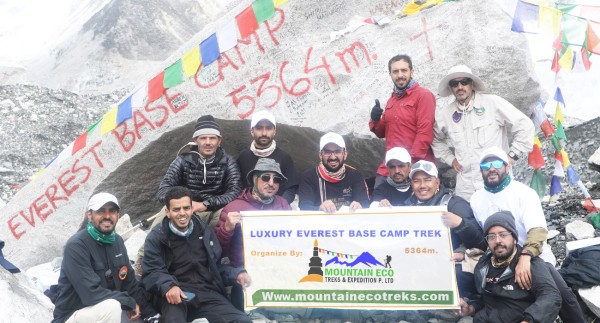
The day every trekker on this route has been building toward. Trek across the Khumbu Glacier moraine to Gorakshep (5,164 m) for lunch, then push on to Everest Base Camp (5,364 m / 17,598 ft) - the legendary staging ground at the foot of the Khumbu Icefall. Standing at Everest Base Camp beside the Khumbu Glacier and beneath the towering Khumbu Icefall is one of the most powerful moments of the trek. The scale of everything around you - the ice, the silence, the sheer vertical walls of Everest's Southwest Face - is simply unlike anything else. A long, demanding day, but one you'll talk about for the rest of your life.
Rise well before sunrise for the pre-dawn hike to Kala Patthar (5,545 m) - the finest viewpoint for Mount Everest (8,848 m) on this entire Everest Circuit Trek, better than Base Camp itself for mountain views. Watch the first golden light of dawn paint Everest's summit pyramid in shades of orange and pink. Then begin the long descent and traverse to Zongla (4,830 m), the last overnight stop before the Cho La Pass crossing. Rest well - the pass awaits.
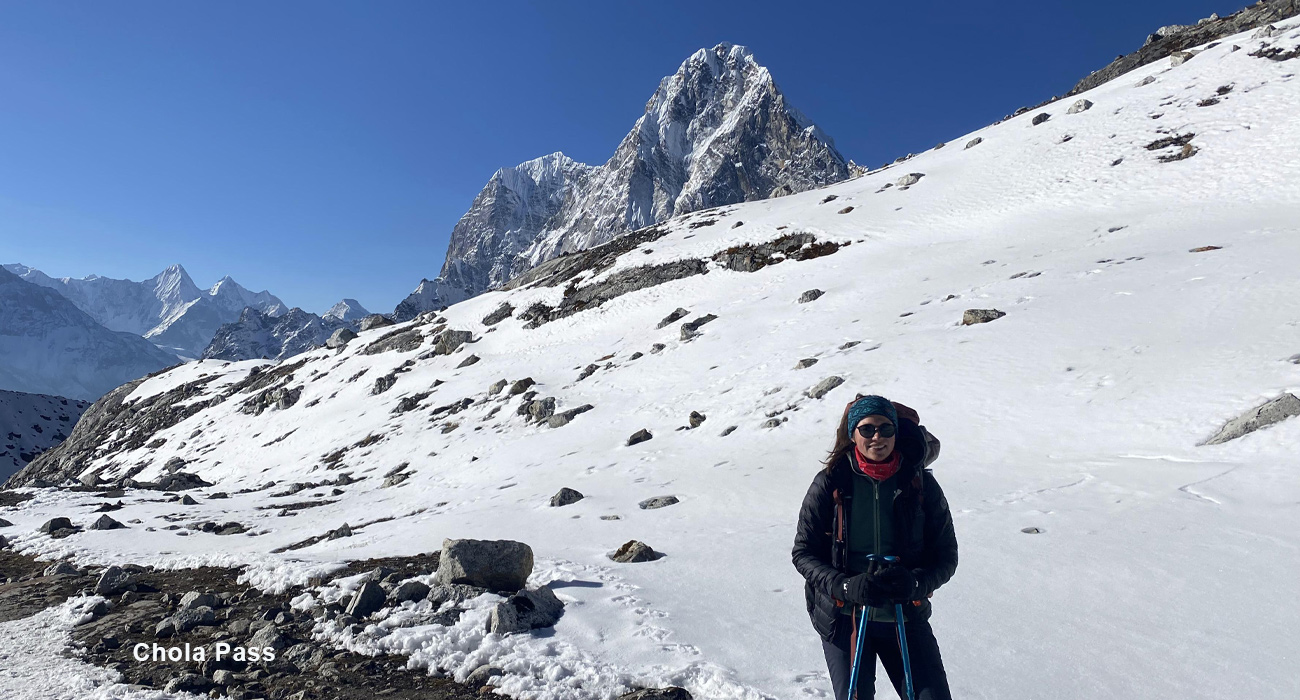
The most demanding day of the entire Gokyo Lakes Trek via Cho La Pass - and one of the most rewarding. From Zongla, the trail climbs steeply toward Cho La Pass (5,420 m) - a high, glaciated mountain pass connecting the Everest region to the Gokyo Valley. The final ascent involves rocky, icy terrain where trekking poles are essential and microspikes may be needed depending on conditions. At the top, the Himalayan panorama is staggering. The descent on the Gokyo side is steep and technical before the trail gradually levels out across the Ngozumpa Glacier, the longest glacier in Nepal, and brings you all the way to the magical village of Gokyo (4,790 m), sitting beside the sacred, shimmering Dudh Pokhari Lake. It's a long, tough day - but arriving in Gokyo after crossing Cho La feels like a genuine achievement. Rest well tonight - tomorrow's summit hike starts before sunrise.
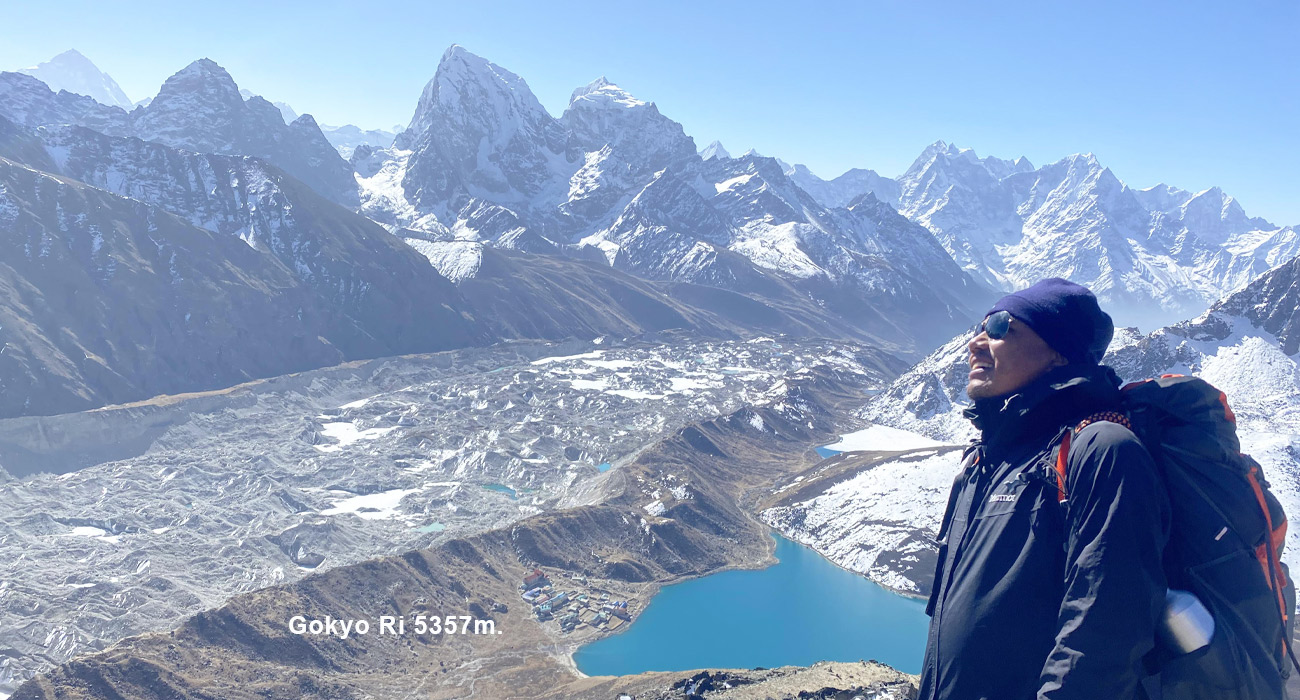
An early morning summit of Gokyo Ri (5,357 m) rewards you with what many experienced trekkers call the single best mountain panorama in the Everest region - four 8,000 m peaks visible simultaneously: Everest (8,848 m), Lhotse (8,516 m), Makalu (8,463 m), and Cho Oyu (8,201 m). Many trekkers say this view surpasses Kala Patthar. After absorbing the summit panorama, descend back through the Gokyo Valley all the way to Dole (4,038 m) - a long descent, but your legs will feel lighter knowing the hardest days are behind you.
The Everest Base Camp Gokyo Trek difficulty eases significantly today. The descent continues through rhododendron forests and familiar valley scenery, returning to the welcoming streets of Namche Bazaar (3,440 m). Notice how much easier breathing feels compared to a week ago - that's real acclimatization doing its work. Celebrate with a hot shower, a proper meal, and stories shared with fellow trekkers. You've absolutely earned it.
The longest trekking day of the entire journey - and a bittersweet one. The 19 km trail from Namche back to Lukla (2,860 m) retraces your early footsteps through Phakding and Benkar, across the suspension bridges, along the riverside paths - all of it looking and feeling different now that you've been to Base Camp, crossed Cho La, and stood on Gokyo Ri. Let it all sink in on the walk. Raise a glass in Lukla tonight.
Your final morning in the mountains. Depending on the season, your flight back departs directly from Lukla to Kathmandu - or routes via Manthali, with a 4–5 hour drive back to the capital after landing. The short flight out of Lukla offers glimpses of the surrounding ridgelines and valleys before the landscape flattens out toward the Terai. By evening you'll be back in Kathmandu at 1,400 m, already missing the thin air and the silence of the high valleys.
Service Types
Compare the available package types and choose the service level that matches your comfort, budget, and support needs.
Standard Package Cost
US$ 1695 per person
Budget Package Cost
US$ 1395 per person
Think of it as the ultimate Everest experience - one route that gives you everything. You trek through Nepal's Khumbu region, visiting two legendary destinations: Everest Base Camp (5,364 m) and the sacred glacial lakes of the Gokyo Valley (4,700-5,000 m). Along the way you cross the dramatic Cho La Pass (5,420 m), climb Gokyo Ri (5,357 m) and Kala Patthar (5,545 m) for breathtaking Everest views, and walk alongside the Ngozumpa Glacier - the largest glacier in Nepal. Few treks in the world pack this much into a single journey.
You are looking at 15 to 18 days from Kathmandu and back. That covers your mountain flights in and out of Lukla, essential acclimatization days at Namche Bazaar and Dingboche, and the full circuit via Cho La Pass. Some operators offer 14-15 day versions, but rushing the ascent significantly raises your risk of altitude sickness - so the extra days are genuinely worth it.
This is a challenging to strenuous trek - no sugarcoating that. You will spend multiple days above 4,000 m, cross the demanding Cho La Pass (5,420 m), and walk 5-8 hours daily over rocky, uneven terrain. You do not need technical climbing skills, but you do need solid fitness and ideally some prior high-altitude experience. Come prepared, take it steady, and this trek is absolutely achievable.
Two seasons consistently deliver the best conditions:
Winter (December-February) is doable but very cold, with the risk of trail closures higher up. Monsoon season (June-August) is best avoided - heavy rain, poor visibility, and leeches on the lower trails make for a tough experience.
A fully guided package typically runs between USD 1,650 to USD 2,050 per person, with the final figure depending on group size, accommodation choice, flight arrangements, and what is included. Most packages from Kathmandu cover domestic flights, teahouse stays, all meals on the trail, a licensed guide, a porter, and your trekking permits. Budget separately for personal expenses, travel insurance, gear, and tips for your crew.
Worth noting: the TIMS Card is generally not required for Everest region treks once you hold the Khumbu Pasang Lhamu Rural Municipality Permit. Both permits can be arranged through your trekking agency or at the Nepal Tourism Board office in Kathmandu. Keep the originals with you - checkpoint staff check them regularly along the route.
The highest you will go is Kala Patthar at 5,545 m (18,192 ft) - and the views of Everest from up there are genuinely unforgettable. Other major high points include Cho La Pass (5,420 m), Everest Base Camp (5,364 m), and Gokyo Ri (5,357 m). A large portion of this trek sits above 4,000 m, so building in proper acclimatization days is not optional - it is what gets you safely to the top.
Altitude sickness (Acute Mountain Sickness / AMS) happens when your body cannot adapt fast enough to the lower oxygen levels at high elevation. You might experience headaches, nausea, fatigue, dizziness, or broken sleep - and at altitudes above 5,000 m on this trek, the risk is real.
Here is what actually helps:
Technically, independent trekking is possible on this route. That said, hiring a licensed guide is something we strongly recommend. The sustained altitude, the remote sections of trail, and especially the Cho La Pass crossing are conditions where having an experienced professional alongside you makes a genuine difference to your safety. A good guide also takes care of navigation, permit checks, teahouse bookings, and emergency situations - and the local knowledge and stories they share along the way often become one of the highlights of the whole trip.
Cho La Pass (5,420 m) is the mountain pass that connects the Gokyo Valley to the Khumbu Valley - it is the link between the two halves of this trek, and the toughest single day on the route. The climb involves steep, rocky ground and a short section of glaciated terrain that demands careful footing. It is not a technical climb, but ice early in the morning makes crampons and trekking poles non-negotiable. Budget 4-6 hours for the crossing, and set off early - mountain weather does not wait around.
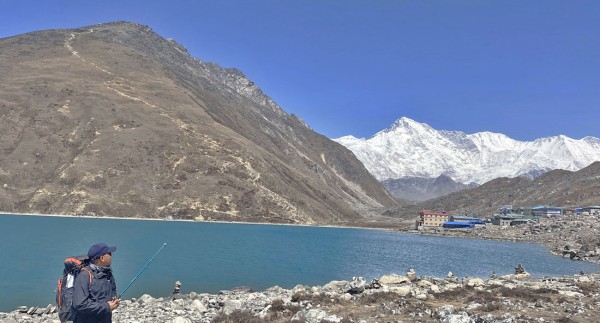
Honestly, Gokyo Lake is the kind of place that stops you in your tracks. The Gokyo Lakes are a system of six high-altitude glacial lakes sitting in the Gokyo Valley, recognised as one of the world's highest freshwater lake systems and a Ramsar Wetland of international importance. The main lake, Dudh Pokhari (4,700 m), sits right alongside the sprawling Ngozumpa Glacier. Climb Gokyo Ri (5,357 m) above the valley and you get a 360-degree panorama of four 8,000 m giants - Everest, Lhotse, Makalu, and Cho Oyu - all at once. It is one of the finest viewpoints in the entire Himalayan range.
The Everest Base Camp Trek is an out-and-back trail completed in 12-14 days - you go to EBC and Kala Patthar, then return the same way. The EBC with Gokyo Lake Trek turns that into a full circuit by adding the Gokyo Valley, a summit of Gokyo Ri, and the Cho La Pass crossing, making it a 15-18 day loop. You cover more ground, see a far greater variety of landscapes - glacial lakes, glacier walks, Sherpa villages on both sides of the Khumbu range - and take in more high-altitude viewpoints. It takes more time, costs a little more, and asks more of you physically. Most people who have done both say it is absolutely worth it.
You will stay in teahouses all the way through - these are mountain guesthouses that range from simple shared-room lodges in the smaller villages to more comfortable private rooms with attached bathrooms in busier spots like Namche Bazaar. All teahouses provide bedding, but bring a sleeping bag rated to at least -15°C regardless. Wi-Fi, hot showers, and phone charging are available but usually cost extra. The Gokyo Valley side has fewer teahouse options than the main EBC trail, so booking ahead during peak season (March-May and October-November) is a smart move.
Here is what you genuinely need on the trail:
Keep your daypack to 8-10 kg on the trail - your porter handles the rest (up to 20 kg).
Not legally required - but genuinely essential. Make sure your policy clearly covers:
A lot of standard travel insurance policies cap out at 3,000-4,000 m and will not cover an evacuation at these altitudes. Check the altitude ceiling on your policy before you leave home.
The full circuit covers roughly 140-150 km (81-93 miles), depending on your itinerary and any extra side hikes. Spread across 17-19 trekking days, that works out to around 8-12 km per day - manageable in distance, though the altitude makes every kilometre feel a little longer than it looks on the map.
This is not the right trek for a first-time trekker. Multiple nights above 5,000 m, the Cho La Pass crossing, and long daily walking hours make it a route that asks for real experience and fitness. If you have already completed a multi-day high-altitude trek - something like Annapurna Base Camp or a similar Himalayan trail - you are in a much better position. If you are newer to trekking, build up to this one. It will be worth the wait.
It really comes down to what you are after:
The Everest Base Camp Gokyo Lake trek - also known as the Everest Circuit Trek - is a 145 km loop through the Khumbu region of Nepal. It combines Everest Base Camp, Kala Patthar (5,545m - the highest point of the trek), Cho La Pass and the Gokyo Lakes in one continuous journey without retracing the same trail.
Mountain Eco Treks has guided trekkers across the Everest region since 2017, including this circuit, the classic EBC route and the Three Passes trek.
Direction: Khumbu Valley first (via Dingboche), Gokyo Valley second. This direction gives the best acclimatisation profile - EBC and Kala Patthar are reached at peak fitness before the Cho La Pass crossing.
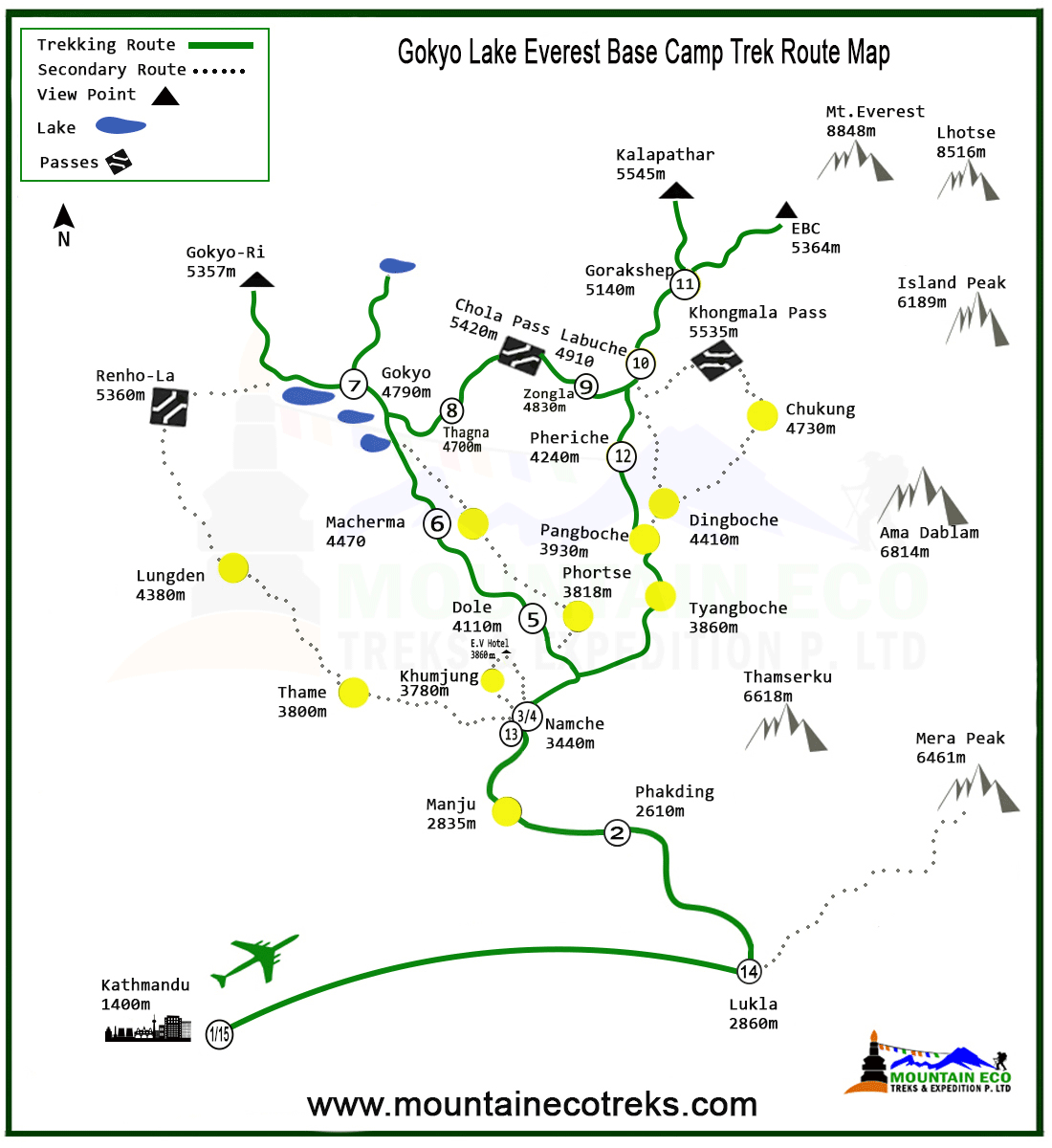
Kathmandu → Lukla → Phakding → Namche Bazaar → Tengboche → Dingboche → Lobuche → Gorak Shep → Everest Base Camp → Kala Patthar → Zongla → Cho La Pass → Thagnak → Gokyo → Gokyo Ri → Dole → Namche Bazaar → Lukla → Kathmandu
| Day | Stage | Elevation | Distance | Time |
|---|---|---|---|---|
| 1 | Arrive Kathmandu | 1,400 m | — | — |
| 2 | Fly to Lukla, trek to Phakding | 2,610 m | 8 km | 3–4 hrs |
| 3 | Trek to Namche Bazaar | 3,440 m | 10.5 km | 5–6 hrs |
| 4 | Acclimatisation, Namche Bazaar | 3,440 m | — | — |
| 5 | Trek to Tengboche Monastery | 3,860 m | 11 km | 5–6 hrs |
| 6 | Trek to Dingboche | 4,410 m | 10.5 km | 5–6 hrs |
| 7 | Acclimatisation, Dingboche | 4,410 m | — | — |
| 8 | Trek to Lobuche | 4,940 m | 7.6 km | 4–5 hrs |
| 9 | Gorak Shep & Everest Base Camp | 5,164 m / 5,364 m | 11.2 km | 7–8 hrs |
| 10 | Kala Patthar & trek to Zongla | 5,545 m / 4,830 m | 13.5 km | 7 hrs |
| 11 | Cho La Pass, Thagnak & Gokyo | 5,420 m / 4,790 m | 19 km | 8–10 hrs |
| 12 | Gokyo Ri & trek to Dole | 5,357 m / 4,038 m | 13 km | 6–7 hrs |
| 13 | Trek to Namche Bazaar | 3,440 m | 12 km | 6–7 hrs |
| 14 | Trek to Lukla | 2,860 m | 19 km | 6–7 hrs |
| 15 | Fly to Kathmandu | 1,400 m | — | 30–40 min |
Total distance: ~145 km | Max altitude: Kala Patthar 5,545m | Total trekking days: 13
→ See also: Weather Guide | Difficulty Guide | Packing ListView our EBC Gokyo Trek package and 2026 departure dates at Mountain Eco Treks.
Everything you need to plan the logistics of the Everest Base Camp Gokyo Lake trek - how long it takes, daily distances, total trekking hours and how to get to Lukla in 2026.
| Metric | Detail |
|---|---|
| Total distance | ~145 km |
| Total trekking days | 13 days |
| Full itinerary (incl. Kathmandu) | 15 days |
| Average daily distance | 11 km |
| Average daily ascent | 350–500 m (on climbing days) |
| Longest day | Day 11: 19 km, 8–10 hrs (Cho La Pass) |
| Estimated total walking hours | 85–95 hrs |
The EBC Gokyo Trek starts and ends in Lukla (2,860m), reached by a short mountain flight.
| Route | Flight Time |
|---|---|
| Kathmandu → Lukla | 35–40 min |
| Ramechhap (Manthali) → Lukla | 12-15 min |
2026 Peak Season Update: During Spring (April 1 – May 31) and Autumn (October 1 - November 30), Lukla flights operate from Ramechhap Airport, not Kathmandu. The drive from Kathmandu to Ramechhap takes 4–5 hours. Plan an overnight near Mulkot (3 hrs from Kathmandu) the night before your flight and add one buffer day to your itinerary.
| Risk | Buffer Needed |
|---|---|
| Lukla flight delay | 2–3 days |
| Cho La Pass closed | 1 day |
| Altitude rest day | 1 day |
| Minimum recommended | 2 days |
Contact Mountain Eco Treks for current Lukla flight schedules and Ramechhap transfer logistics for your departure date.
Cho La Pass (5,420m) is the high point of the Everest Circuit Trek - the glacier crossing that links the Khumbu Valley to the Gokyo Valley. On the Mountain Eco Treks itinerary it falls on Day 11, covering 19 km in 8–10 hours from Zongla to Gokyo. It is the longest and most demanding day of the trek.
The approach from Zongla climbs over rocky moraine and scree before reaching a glacier section below the summit. Depending on seasonal conditions, local guides may install temporary ropes on icy sections - but trekkers should not expect fixed protection to be in place. The descent toward Thagnak is steep and rocky.
No technical climbing experience is required, but this is a serious high-altitude crossing.
| Season | Conditions |
|---|---|
| Spring (Mar–May) | Generally stable; icy in March and early April |
| Autumn (Sep–Nov) | Best overall; October ideal |
| Winter (Dec–Feb) | Deep snow, possible closure; not recommended |
Yes, with the right preparation. By Day 11, trekkers on the Mountain Eco Treks itinerary have already spent seven nights above 3,400m and summited Kala Patthar (5,545m) the day before. The challenge is duration and terrain, not altitude alone. A licensed guide is strongly recommended - navigation on the pass in poor visibility or fresh snow is genuinely difficult.
Weather is the single biggest variable on the Everest Base Camp via Gokyo Lakes trek. This guide covers what to expect at each altitude zone and month, so you can plan your departure window with confidence.
| Month | Season | Conditions | Recommended? |
|---|---|---|---|
| January | Winter | Very cold, snow on passes, clear skies | Limited |
| February | Winter | Cold but improving, less snow | Possible |
| March | Spring | Mild lower trails, some ice on Cho La | Yes |
| April | Spring | Excellent — best spring month | Yes ✓ |
| May | Spring | Warm, busy, late month storms possible | Yes |
| June | Monsoon | Heavy rain, leeches, low visibility | No |
| July | Monsoon | Wettest month, trail conditions poor | No |
| August | Monsoon | Improving late month | No |
| September | Autumn | Clear after monsoon, excellent visibility | Yes ✓ |
| October | Autumn | Best overall month — ideal for Cho La | Yes ✓ |
| November | Autumn | Cooling fast, still good conditions | Yes |
| December | Winter | Cold, snow accumulating on high passes | Limited |
Below 3,500m (Lukla to Namche): 10–18°C daytime in spring and autumn. Forest trails with good shelter. Rain possible but brief outside monsoon.
3,500–4,500m (Namche to Dingboche): −5 to 5°C at night. Afternoon cloud common above 4,000m. Wind increases on open ridges.
Above 4,500m (Lobuche to Kala Patthar): Night temperatures −10 to −20°C in spring and autumn. Kala Patthar is highly exposed with strong pre-dawn wind. Cho La Pass can receive snow in any month.
Gokyo Valley (Days 11–13): Sheltered compared to the upper Khumbu. Calmer conditions, less wind — a contrast to the exposed EBC section.
The EBC Gokyo circuit requires no technical climbing experience. Any fit, well-prepared trekker who respects the acclimatisation schedule can complete it. That said, it is a serious 15-day high-altitude undertaking - harder than the classic EBC by approximately 20–25% due to Cho La Pass, additional distance and the extra days at altitude.
| Section | Rating | Why |
|---|---|---|
| Lukla to Namche | Moderate | Sustained climb on Day 3 |
| Namche to Dingboche | Moderate | Increasing altitude, exposed terrain |
| Dingboche to Lobuche | Moderate–Hard | Rocky moraine, above 4,500m |
| EBC & Kala Patthar | Hard | Long day, early start, high altitude |
| Day 11: Cho La Pass | Very Hard | 19 km, glacier section, highest exertion day |
| Gokyo Ri (Day 12) | Hard | Steep climb after the hardest previous day |
| Descent to Lukla | Moderate | Long but downhill; impact on knees |
| Trekker Profile | Can They Do It? |
|---|---|
| First-time high-altitude trekker, good fitness | Yes, with proper acclimatisation |
| Experienced hiker, no altitude experience | Yes |
| Classic EBC veteran | Yes — this is the natural next step |
| Over 60, good health and fitness | Yes — Mountain Eco Treks regularly guides this age group |
| Under 18, fit and acclimatised | Yes, with adult supervision and guide |
No camping is required on the Everest Base Camp via Gokyo Lakes trek. The entire route is served by tea houses - family-run lodges providing accommodation and meals at every stage.
| Zone | Standard |
|---|---|
| Namche Bazaar | Near hotel quality - heated common room, hot shower, Wi-Fi |
| Dingboche / Tengboche | Comfortable private rooms, basic hot shower |
| Lobuche / Gorak Shep | Simple twin rooms, squat toilets, cold |
| Gokyo | Good standard - quieter and less crowded than Khumbu side |
Hot showers are available at extra cost up to around 4,500m. Wi-Fi is available in most lodges below 5,000m at extra cost. Electronics charging is typically charged per device.
| Meal | Options |
|---|---|
| Breakfast | Porridge, eggs, toast, pancakes, muesli, hot drinks |
| Lunch | Noodle soup, fried rice, dal bhat, pasta, momos |
| Dinner | Dal bhat, veg curry, pasta, noodles, soup, potato dishes |
| Snacks | Energy bars, biscuits, chocolate, instant noodles |
Dal bhat remains the most nutritious and consistently available option at every elevation. Meal prices increase steadily with altitude — budget USD 20–30 per day above Namche.
A practical packing list for 15 days of trekking from 1,400m to 5,545m — covering everything you genuinely need and what to leave behind.
| Layer | Item |
|---|---|
| Base | Moisture-wicking thermal top and bottoms × 2 |
| Mid | Fleece or softshell jacket |
| Insulation | Down jacket (600 fill minimum) |
| Outer | Waterproof hardshell jacket and trousers |
| Legs | Trekking trousers × 2 |
| Head | Warm beanie, buff, sun hat |
| Hands | Liner gloves + warm waterproof outer gloves |
| Socks | Wool hiking socks × 4–5, camp socks |
Almost everything on this list is available in Kathmandu's Thamel district at a range of prices - genuine and replica gear side by side. Namche Bazaar has a well-stocked selection including pharmacies. Do not rely on finding specialist gear above Namche.
Two great routes, one starting point. Here is a direct comparison to help you choose.
| Factor | EBC Trek | EBC Gokyo Circuit |
|---|---|---|
| Route type | Out and back | Loop |
| Duration | 12–14 days | 15 days |
| Max altitude | Kala Patthar 5,545m | Kala Patthar 5,545m |
| High passes | None | Cho La Pass 5,420m |
| Gokyo Lakes | No | Yes |
| Gokyo Ri viewpoint | No | Yes |
| Repeated trail sections | Significant | Minimal |
| Trail crowding | Higher | Lower on Gokyo section |
| Difficulty | Moderate | Moderate to challenging |
| Cost | Lower | Slightly higher (extra days) |
The circuit adds 2–3 days, meaning 2–3 extra nights of accommodation and meals. The permit costs are identical. Given the additional highlights - six glacial lakes, Gokyo Ri and a glacier crossing - the marginal cost is small relative to the added experience.
This comparison page targets trekkers at the research stage - people actively deciding between the two routes. Mountain Eco Treks runs both. Whichever direction suits your timeline and experience, the guides and logistics infrastructure are the same.
Altitude sickness is the single biggest health risk on the EBC Gokyo circuit. It affects anyone - regardless of fitness, age or previous Himalayan experience. Understanding the three conditions before you leave is as important as any physical training.
AMS - Acute Mountain Sickness The most common. Occurs when the body cannot adapt fast enough to reduced oxygen above 3,000m. Symptoms: headache, nausea, fatigue, dizziness, poor sleep, loss of appetite. Treatment: do not ascend further. If symptoms worsen, descend immediately.
HAPE - High Altitude Pulmonary Oedema Fluid builds in the lungs. Can develop from untreated AMS. Symptoms: breathlessness at rest, persistent dry cough, gurgling sounds when breathing, extreme fatigue. Treatment: immediate descent and emergency evacuation. Life-threatening if not treated.
HACE - High Altitude Cerebral Oedema Swelling of the brain. The most serious altitude condition. Symptoms: severe headache unresponsive to ibuprofen, confusion, loss of coordination, inability to walk straight. Treatment: immediate descent and emergency evacuation. Life-threatening if not treated.
Both HAPE and HACE are rare on this trek when a proper acclimatisation schedule is followed.
| Stage | Risk | Notes |
|---|---|---|
| Namche (3,440m) | Low–Moderate | First nights above 3,000m |
| Dingboche (4,410m) | Moderate | Most common point for first symptoms |
| Lobuche (4,940m) | Moderate–High | Altitude is demanding overnight |
| Gorak Shep (5,164m) | High | Highest overnight; monitor closely |
| Cho La Pass day | High | Maximum exertion at 5,420m |
Acetazolamide (Diamox) reduces AMS risk by stimulating faster breathing and raising blood oxygen levels. It is not a substitute for acclimatisation. Discuss with your doctor before departure. Common side effects: increased urination, mild tingling in fingers and toes.
Since 2017, Mountain Eco Treks has operated daily pulse oximeter checks above 4,000m on all treks. Oxygen saturation readings are interpreted alongside symptoms, heart rate and overall condition - a single low reading is not automatically alarming and is always assessed in context. Guides are wilderness first aid trained and carry emergency oxygen on all high-altitude departures.
Since 2013, Mountain Eco Treks has offered fully supported EBC Gokyo circuit departures. A standard package includes:
Contact Mountain Eco Treks directly for the latest package pricing and current seasonal offers - costs vary by group size, departure date and season.
| Permit | Where to Obtain |
|---|---|
| Sagarmatha National Park Entry Permit | Nepal Tourism Board, Kathmandu or Monjo checkpoint |
| Khumbu Pasang Lhamu Rural Municipality Permit | Lukla or Monjo |
Neither permit requires advance booking. Both are checked at multiple points on the trail and are mandatory for every trekker.
| Expense | Approximate USD |
|---|---|
| Lukla return flights | both waya 550 |
| Sagarmatha National Park permit | 25 |
| Khumbu Pasang Lhamu permit | 25 |
| Tea house accommodation per night | 5–15 |
| Meals per day | 30–40 |
| Licensed guide per day | 30–35 |
| Porter per day | 20–25 |
| Travel & trekking insurance | 100–150 |
| Estimated total (15 days) | 1,550–1,850 |
These figures are estimates. Prices above Namche Bazaar increase significantly with altitude. Travel insurance must cover helicopter evacuation above 5,000m - this is non-negotiable on this route.
A single 15-day circuit through Tengboche Monastery, Ama Dablam viewpoints, Everest Base Camp, Kala Patthar (5,545m), Cho La Pass glacier crossing, six Gokyo Lakes and Gokyo Ri with four 8,000m peaks simultaneously visible from a single viewpoint. No other trek in Nepal delivers this range in one itinerary.
Contact Mountain Eco Treks for the latest EBC Gokyo package pricing, 2026 departure dates and availability.
You May Also Like
US$3599 P/P
US$3950 P/P
US$1899
US$1995
P/P
US$1580 P/P
US$3875 P/P
US$3295 P/P
US$1550
US$1685
P/P
US$1695
US$1899
P/P
Experience the best of Nepal with expert local guides, carefully planned itineraries, and personalized support from enquiry to departure. Tell us what you want to explore and we will help you build the right trip.
Call us: +9779803926665
Enquire on WhatsApp© 2011 - 2026 All rights reserved. Mountain Eco Treks & Expedition




Natashat612
Canada
Great Experience
28 Oct 2019
We had a great time in Nepal and amazing experience!! All the prep and communications were with Dev who is extremely knowledgeable, polite and has lot of patience to answer questions (and I trust me I had a lot of them!). We trekked the Everest Base Camp with Mr. Ram as a guide (Dev’s partner). He was very experienced, knew everyone along the way, he could probably do the trek with his eyes closed and we felt safe and welcome in the places we stayed on this trek. When I got sick, both him and our porter (Sushan) took good care of me.
In addition, after the trek, we visited both Dev’s and Mr. Ram’s families, had homemade Nepalis traditional food – it was delicious! Both kept in touch after the trek till this day.
If you want a no hassle, enjoyable, safe, and hospitable experience you cannot go past Dev and his team!! They are the best; I would highly recommend exploring Nepal and trekking with them. They can find a trek suitable for your needs. Amazing! Thanks for everything, Guys!!
Date of experience: October 2019
Source :Trip advisor
Address: Montreal,
Markgoodear
Australia
Himalayan adventure trek
30 Oct 2018
I want to thank Ram of mountain eco tours for the extra care above and beyond that expected. Our backpacks for the everest base camp were delayed several days and we were 3 days into the trek before they arrived in kathmandu. Ram spent significant time coordinating their delivery to us while on the trek by utilizing porters to get our gear to us. In addition having a local guide with contacts enabled us to exit lukla by helicopter when many other travellers were stranded awaiting the cloud to clear. Some had been waiting several days and had missed their international flights but we were extracted the same day as our scheduled flight at minimal expense. Ram pays close attention to all trekkers and constantly monitors their health and well being. Both Ram and his porters are welcoming and they feel part of our extended trekking family. I have no hesitation in recomnending them to anyone who would like a safe, authentic Nepalese experience.
Date of experience: October 2018
Source : Trip Advisor
Hannah
Australia
Professional, fun, amazing
20 Dec 2022
Ram and Neil led our group of 6 to Everest Base Camp and back safely and we had the time of our lives! Their knowledge of the area and ability to change plans as we needed made our trip smooth, fascinating and down right one of the best treks we have ever done. The guys were fun and joined in the laughs and were able to fix any issues swiftly along the way, including our lost luggage and cancelled flights!
I couldn't recommend this company more highly. You will be in good hands, I will be back for sure!
Address: From Sydney,
ThomasVegas
United States
Great Trek to EBC
10 May 2017
My wife and I had the pleasure to have Ram guide us up the mountain last summer. We did a 12 day trek. We really didn't have to do much besides hike. Ram arranged the flights, got us to and from the airports in Kathmandu and Lukla, arranged all of the overnight stays, all meals, and had a porter to carry our duffel bags. He made the whole experience as easy as possible for us. We met other couples trekking without guides and they were all exhausted and most of them had bats of food poisoning. Each meal we had Ram would tell us what is safe to eat and what would make us sick so we never had to worry about it. He also introduced us to delicious ra-ra noodles and buffalo momos! He also showed us around Kathmandu for a couple days. I am sure we would not have had nearly as good of a trip if it was not for Ram. Hopefully we can get back to Nepal in the next few years so we can have Ram guide us to Annapurna Base Camp!
Source :Trip Advisor
Gregory S
Denmark
Everest Base Camp Trek
18 Apr 2018
We Took the EBC trek with Ram in June and it was amazing. He was very helpful and responsive when you are planing your trip and everyone knows that the guide on a trip like this can make or break your trek. For our trek we had a guide named Ram and he was amazing. We went during monsoon season so flights were hard to come by but Ram made sure that we got there by dealing with the airlines and the helicopter companies. He monitored us the whole way to make sure the altitude wasn't to much for us and any problem we had he fixed right away. We observed many different guides along the was and we wouldn't trade ram for anything. The views were amazing and Ram could answer any questions we had. I highly recommend Mountain Eco Treks and Expedition for all treks in Nepal and if you do use them ask for RAM!
Source: Trip Advisor
Bujarka
Poland
Excellent :)
26 Jul 2018
Dev - a great guide. A trip to the Everest -Gokyo area was very well organized. We slept in nice places, we ate good food. And most importantly - we had a great team :) Everyone was very friendly and very caring.
I highly recommend Dev :)
Source: Trip Advisor